

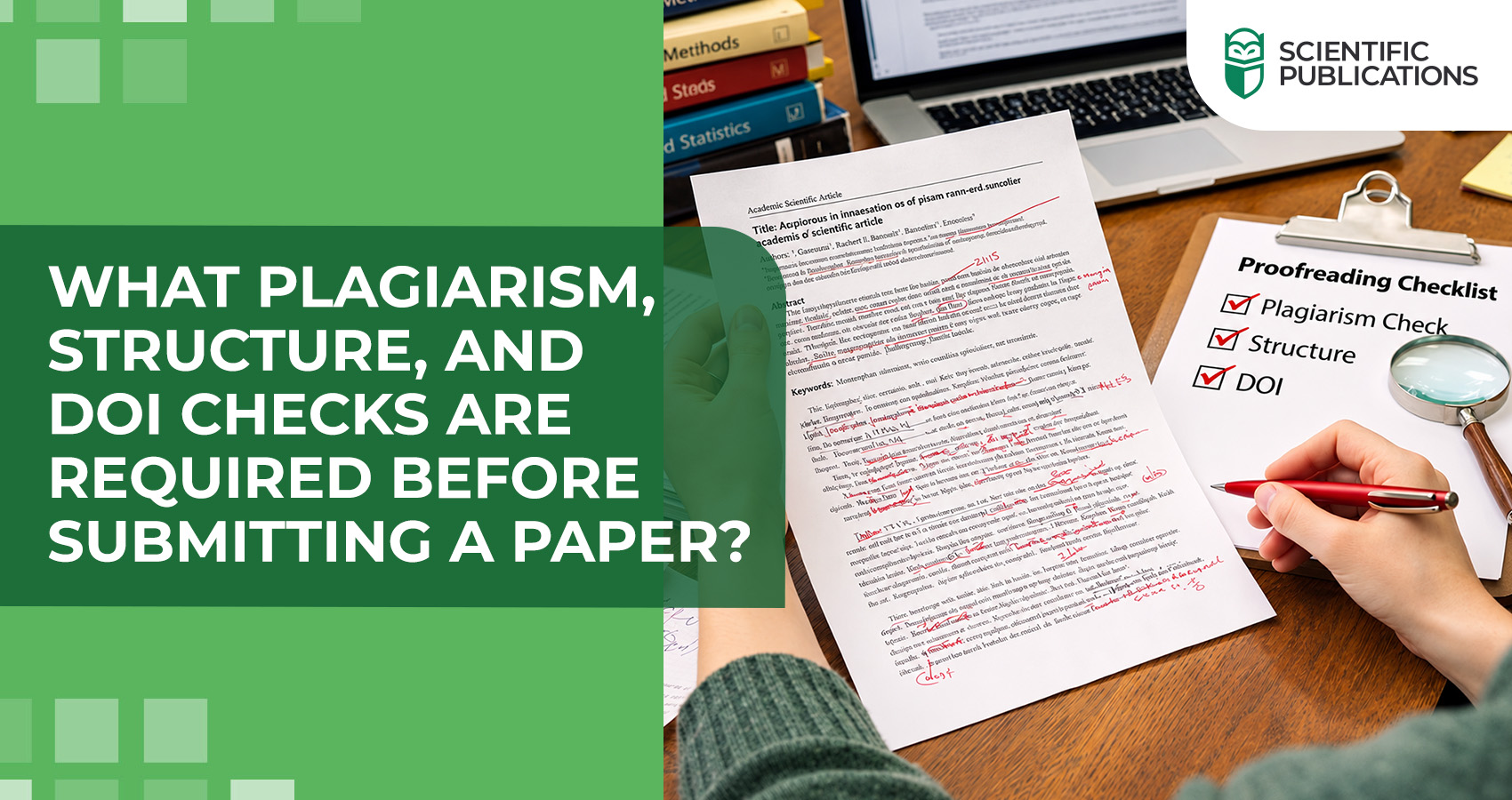
A manuscript can be rejected before it even reaches the reviewers – on formal grounds. Which checks does an editorial board carry out at this stage? What is taken into account when assessing structure and formatting? Here is what a scientist should consider before submitting an article to a journal.

Publications in HAC of CIS and Azerbaijan: how to submit before the end of the year
Peer review of a scientific article can stretch on for months, and if the material is submitted too late, publication will not happen until next year – and the dissertation defence will shift along with it. Which journals count for academics in Azerbaijan – both national and from other CIS countries – and what is worth doing now to make it before December?
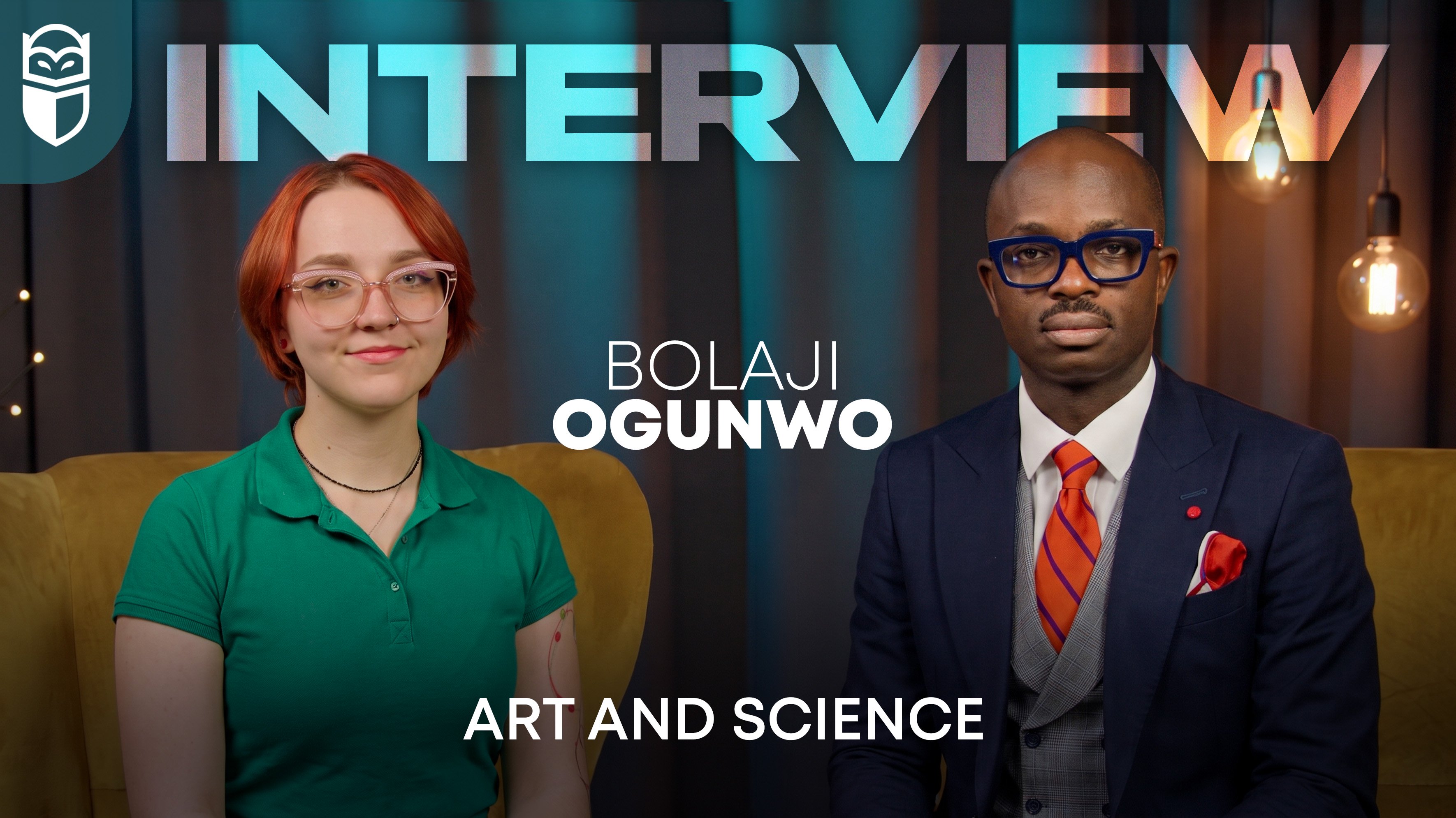
An interview with Dr Bolaji Ogunwo
How does combining a creative practice with an academic career shape one's painting and research, how does teaching differ between countries, and why does research in the arts call for a special approach? All of this – in today's interview.
Where to start preparing an article for Scopus for a dissertation defense?
Your dissertation defence date has been confirmed, but you have not yet submitted an article to any journal? How long does the path from manuscript to publication in Scopus usually take? We look at the sequence of steps for a candidate who is starting publication work practically from scratch.
How to plan your dissertation work to make it in time for the winter defense?
A winter dissertation defence calls for a well-thought-out schedule: when should articles be submitted to journals, how long does peer review take, and what needs to be planned for in advance? Here's how to build a preparation timeline without last-minute rushing.

How to create your ORCID: a step-by-step guide
How can you get a unique scientific identifier and make sure you never lose credit for your publications? We cover this in a new video from Scientific Publications.
Order a publication
Contact the manager
Submit application
X

We have a gift for you!
Free citation of your research or a discount on publication services — the choice is yours!
Dmytro Pryimak
Director of the Scientific
Publications Azerbaijan company