

Your dissertation defence date has been confirmed, but you have not yet submitted an article to any journal? How long does the path from manuscript to publication in Scopus usually take? We look at the sequence of steps for a candidate who is starting publication work practically from scratch.

Scopus Journal Exclusions for July 2026
Are you planning to submit an article to a journal that was listed in Scopus only recently? Before clicking “submit”, it is worth checking the latest update to the journal list – its status may have changed this very month.
What you need to know about publication submission and peer review deadlines for 2027
Preparing a research article does not end once it has been written – submission to a journal and a lengthy review process still lie ahead. How long does this process typically take? When should the work begin so that the article is published in 2027? We look at what a scientist needs to bear in mind when planning publication deadlines.
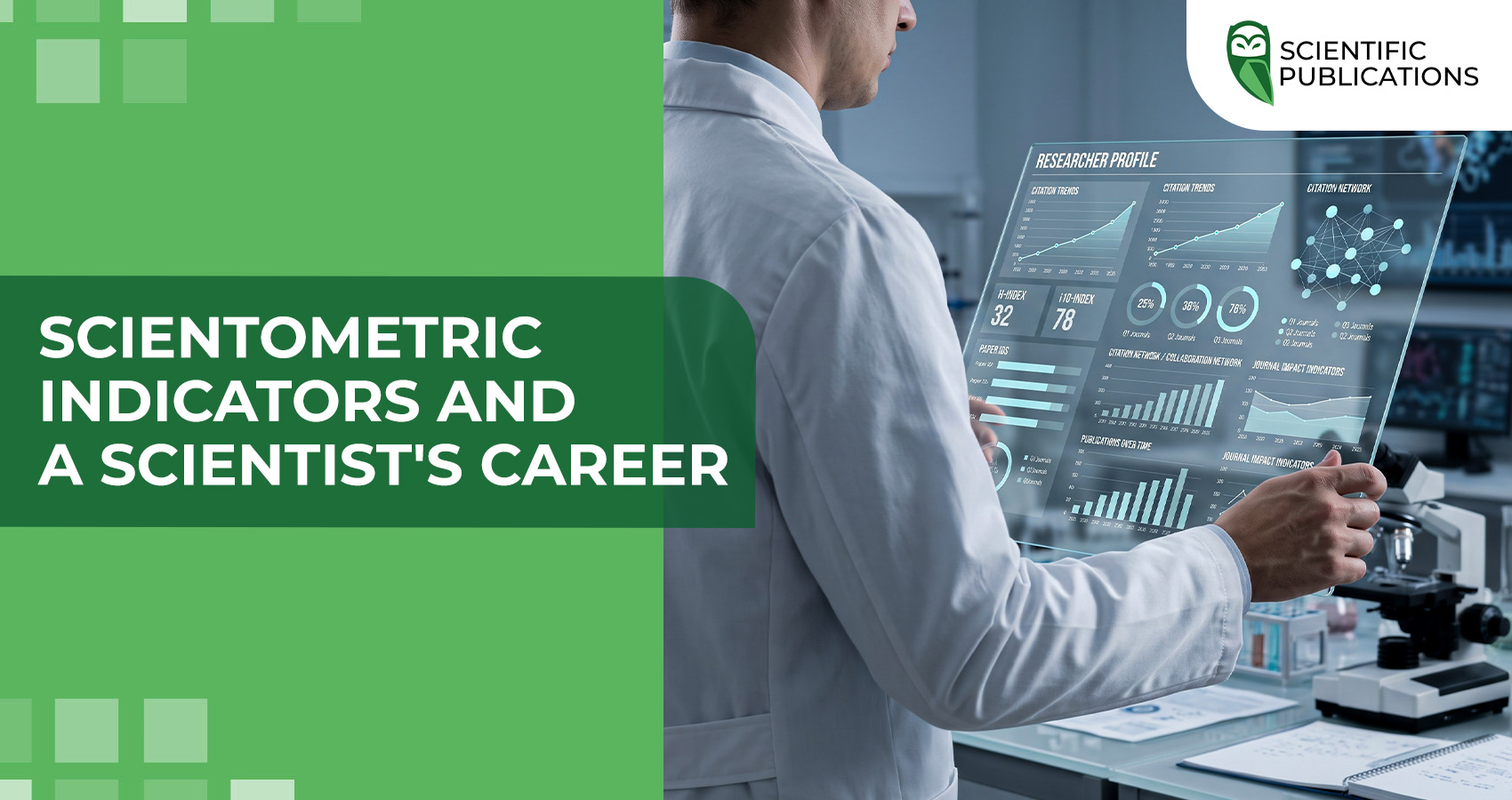
Scientometric indicators and a scientist's career
What determines a scientist’s academic reputation and professional growth? Scientometric indicators have long moved beyond simple statistics and become one of the criteria used to assess publication activity, appointment to academic posts and the awarding of degrees. This is what today’s article is about.
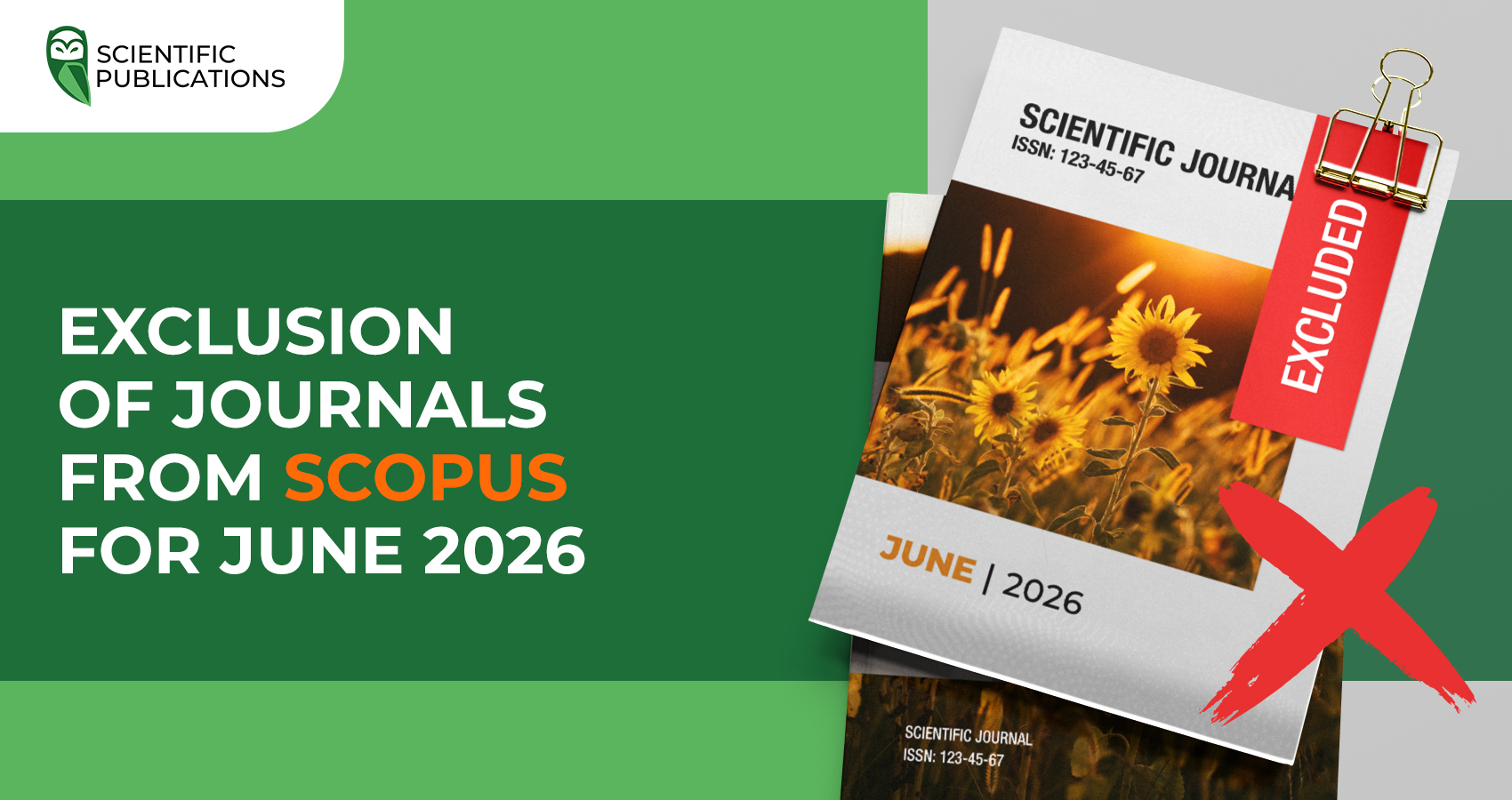
Exclusion of journals from Scopus for June 2026
Every month, Scopus updates the list of academic journals that have lost their indexing. The Scientific Publications company has prepared a list of publications that lost their indexing in June 2026, as well as the reasons for their exclusion.
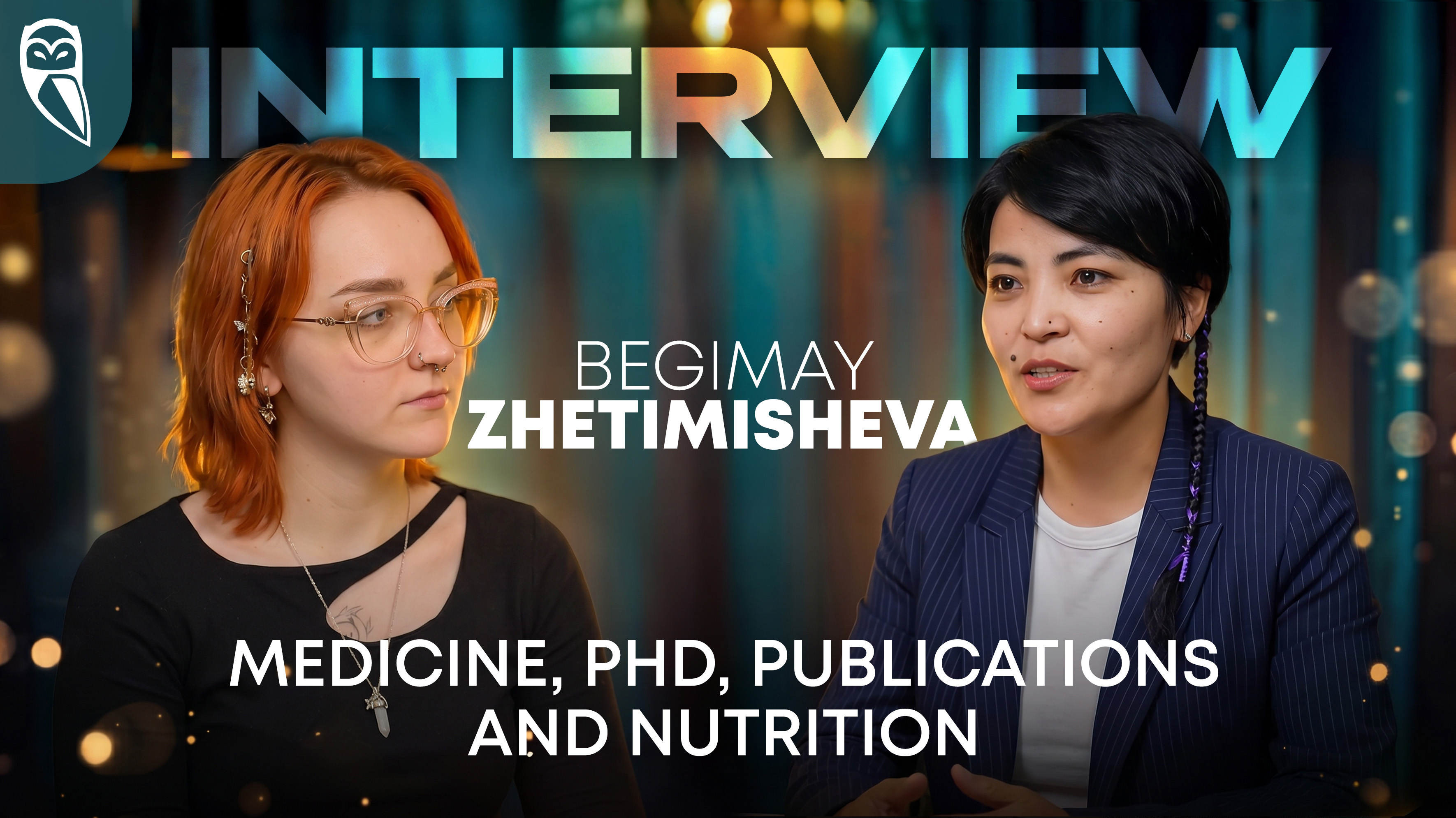
Interview with Begimai Zhetimisheva
Psychiatrist, lecturer and PhD candidate in nutritional science and dietetics, Begimai discusses combining clinical practice with academic work. You will also learn why a practising doctor needs publications in scientific journals, and what lies behind her decision to continue her studies in a doctoral programme abroad.
Order a publication
Contact the manager
Submit application
X

We have a gift for you!
Free citation of your research or a discount on publication services — the choice is yours!
Dmytro Pryimak
Director of the Scientific
Publications Azerbaijan company