


Despite the fact that Q1 and Q2 journals are traditionally considered more prestigious, Q3 and Q4 also have their advantages for researchers. In this article, we will discuss how publishing in Q3 and Q4 journals can help researchers improve their chances of receiving grants.


How to get published in Q1 and Q2: strategies for authors
Today, we will give recommendations that will help you prepare a quality article for publication in first and second quartile journals.
What should be considered while choosing the quartile of a scientific journal?
The choice of a scientific journal to publish an article directly affects its success. For example, if a researcher does not pay enough attention to checking the credibility and popularity of a journal, it is likely that his or her work will go unnoticed and will not make a significant contribution to the scientific field. To prevent this from happening, it is necessary to take into account the various characteristics of a journal, which include the quartile. Today we will discuss what to consider while choosing a quartile in order to ensure the success of a scientific article.

How does the quartile of a journal affect the citation rate of a scientific article?
In the process of preparing for the publication of a scientific article, it is necessary to take a responsible attitude to the choice of a journal. There are a number of criteria that should be taken into account in order to make the publication as successful as possible. One of the key criteria is the quartile – a system of ranking scientific journals by their level of influence. The right quartile can help to increase the citation rate of a scientific article. How exactly? Today we'll go into more detail on this.
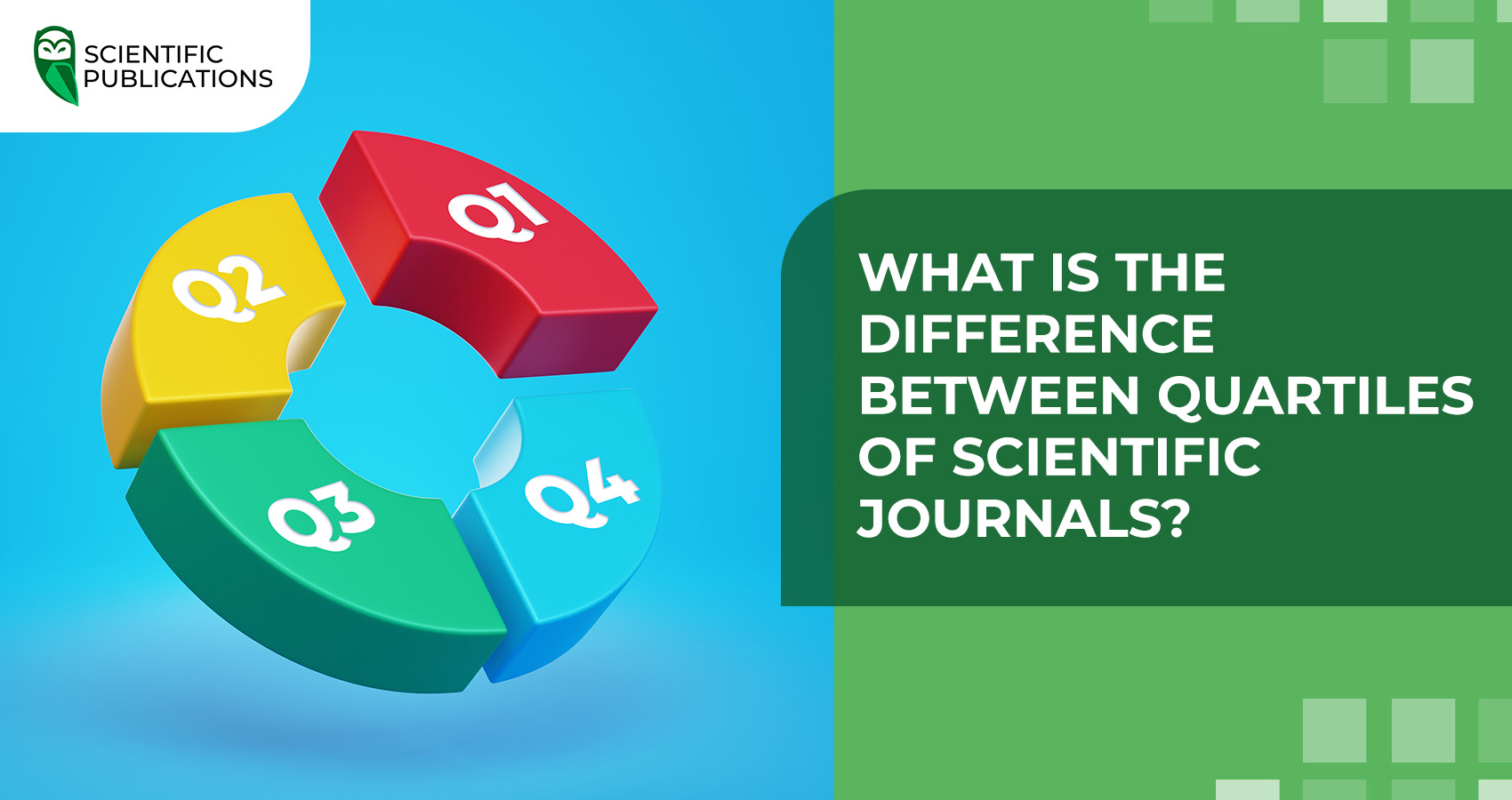
What is the difference between quartiles of scientific journals?
In the scientific environment, quartile is an important indicator used to assess the quality and impact of journals. Knowing the differences between quartiles helps scientists to choose where best to publish their articles. In this article, we will take a closer look at what quartiles of scientific journals are, how they differ, and the characteristics of each quartile.

How to publish an article successfully in Scopus before defending your dissertation?
A scientist has to publish in authoritative databases in order to be admitted to the thesis defence. Today, we will explain how to prepare an article for publication in Scopus, as well as how to do it in time.
Order a publication
Contact the manager
Submit application
X

We have a gift for you!
Free citation of your research or a discount on publication services — the choice is yours!
Dmytro Pryimak
Director of the Scientific
Publications Azerbaijan company